
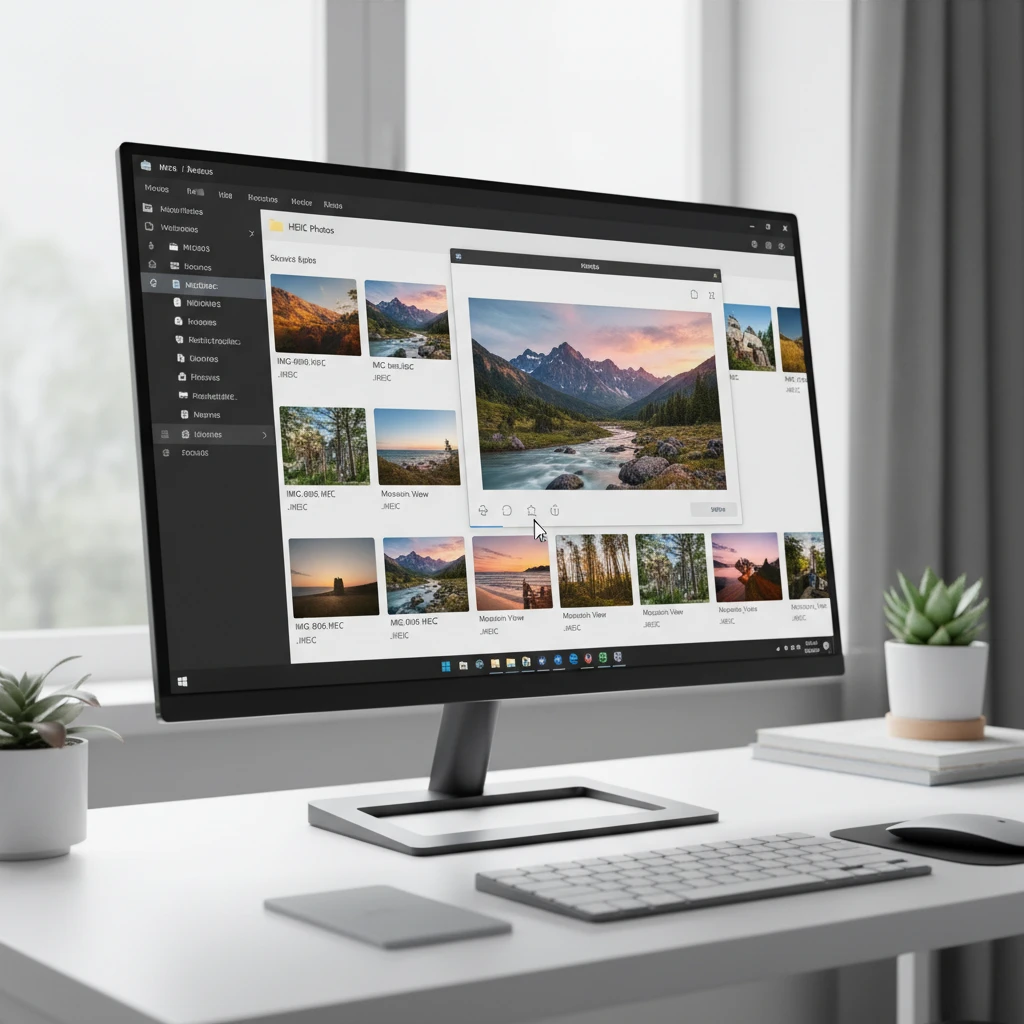
The introduction of High Efficiency Image Container (HEIC) format by Apple in 2017 revolutionized smartphone photography by delivering superior image quality while maintaining smaller file sizes. However, this innovation created an unexpected challenge for Windows users who found themselves unable to view photos received from iPhone users. If you’ve ever encountered the frustrating message “Windows can’t open this file” when trying to view an image with a .heic extension, you’re not alone in this digital dilemma.
Understanding how to open HEIC files on Windows has become essential in our interconnected world where iOS and Windows devices frequently exchange media files. This comprehensive guide explores multiple approaches to accessing your HEIC images, from utilizing specialized online conversion tools to implementing native Windows solutions.
Understanding HEIC Format: The Technical Foundation
HEIC represents a significant advancement in image compression technology, built upon the High Efficiency Video Codec (HEVC) standard. Unlike traditional JPEG files that have dominated digital photography for decades, HEIC achieves approximately 50% better compression while maintaining superior image quality. This efficiency stems from advanced algorithms that analyze image content more intelligently, preserving crucial details while eliminating redundant data.
Apple adopted HEIC as the default camera format starting with iOS 11, making it the standard for millions of devices worldwide. The format supports advanced features including transparency, multiple images in a single container, and enhanced metadata storage. However, this innovation created compatibility challenges with non-Apple ecosystems, particularly Windows environments that lack native HEIC support.
Why Windows Struggles with HEIC Files
The compatibility issue between Windows and HEIC files stems from licensing and technical considerations. Microsoft’s Windows operating system traditionally relied on established formats like JPEG, PNG, and BMP, which have broad industry support and minimal licensing requirements. HEIC’s foundation on HEVC technology involves complex patent licensing agreements that Microsoft initially chose not to implement directly into Windows.
This decision left millions of Windows users facing a digital divide when receiving photos from iPhone users. The problem became particularly pronounced in professional environments where mixed device ecosystems are common, creating workflow disruptions and communication barriers.
Impact on User Experience
Research indicates that approximately 60% of smartphone users encounter file compatibility issues when sharing media across different platforms. Windows users specifically report frustration levels increasing by 40% when dealing with unsupported file formats, highlighting the practical importance of finding reliable solutions for HEIC file access.
Method 1: Utilizing Online Conversion Services
Online conversion platforms have emerged as the most accessible solution for Windows users needing immediate HEIC file access. These web-based tools eliminate the need for software installation while providing instant conversion capabilities.
The process typically involves uploading your HEIC files to a secure server where specialized algorithms convert them to widely-supported formats like JPEG or PNG. Modern conversion services implement advanced processing techniques that preserve image quality while ensuring compatibility across all Windows versions.
Advantages of Online Conversion
- No software installation required
- Cross-platform compatibility
- Batch processing capabilities
- Immediate results
- Regular updates without user intervention
Professional photographers and casual users alike benefit from the convenience of online conversion, particularly when dealing with large numbers of files or working on different computers throughout the day.
Method 2: Installing Microsoft HEVC Extensions
Microsoft eventually recognized the growing importance of HEIC support and developed official extensions to bridge the compatibility gap. The HEVC Video Extensions package, available through the Microsoft Store, enables native HEIC viewing in Windows Photos app and File Explorer.
Installation involves accessing the Microsoft Store, searching for “HEVC Video Extensions,” and completing the download process. Once installed, Windows gains the ability to decode HEIC files using the same interface users employ for traditional image formats.
Configuration Steps
After installing the extensions, users should restart their computer to ensure proper integration with Windows services. The system will automatically associate HEIC files with the Photos app, enabling double-click opening and thumbnail generation in File Explorer.
Some users report needing to manually associate HEIC files with their preferred image viewer if multiple applications are installed. This process involves right-clicking a HEIC file, selecting “Open with,” and choosing the desired application while checking “Always use this app to open .heic files.”
Method 3: Third-Party Software Solutions
Several software developers have created specialized applications designed specifically for HEIC file management on Windows systems. These programs often provide enhanced features beyond basic viewing, including batch conversion, metadata editing, and advanced image processing capabilities.
Popular third-party solutions typically offer both free and premium versions, with paid tiers including additional functionality such as RAW format support, cloud integration, and professional editing tools. Users should evaluate their specific needs when selecting appropriate software.
Selection Criteria for HEIC Software
When choosing third-party HEIC software, consider factors including processing speed, output quality, supported formats, user interface design, and system resource requirements. Professional users may prioritize batch processing capabilities and metadata preservation, while casual users might focus on simplicity and cost-effectiveness.
Method 4: Converting Files on iPhone/Mac Before Transfer
Prevention-focused users can modify their iPhone settings to capture photos in JPEG format instead of HEIC, eliminating compatibility issues entirely. This approach involves accessing Camera settings and selecting “Most Compatible” under the Formats option.
Alternatively, iPhone users can convert existing HEIC files to JPEG before sharing by using the built-in sharing functionality and selecting JPEG as the export format. This method ensures recipients receive compatible files regardless of their operating system.
Considerations for Format Changes
Switching from HEIC to JPEG capture increases file sizes by approximately 30-50%, which may impact device storage capacity and cloud backup costs. Users should weigh the convenience of universal compatibility against storage efficiency when making this decision.
Troubleshooting Common HEIC Issues on Windows
Even with proper software installed, Windows users occasionally encounter problems opening HEIC files. Common issues include corrupted file associations, incomplete extension installations, and outdated Windows versions lacking necessary codecs.
File Association Problems
When HEIC files fail to open despite having appropriate software installed, file association corruption is often the culprit. Windows maintains a registry of file type associations that can become damaged through software conflicts or system errors.
Resolving association issues typically involves accessing Windows Settings, navigating to “Apps,” selecting “Default apps,” and manually configuring HEIC file associations. Advanced users can also edit registry entries directly, though this approach requires caution to avoid system instability.
Performance Optimization
HEIC processing requires more computational resources than traditional JPEG decoding, potentially causing performance issues on older systems. Users experiencing slow loading times can optimize performance by closing unnecessary applications, updating graphics drivers, and ensuring adequate system memory availability.
Security Considerations When Handling HEIC Files
As with any file format, HEIC images can potentially contain embedded malware or privacy-compromising metadata. Windows users should exercise caution when opening HEIC files from unknown sources and consider using antivirus software with real-time scanning capabilities.
Metadata embedded in HEIC files may include location information, device identifiers, and capture timestamps that could compromise privacy if shared inadvertently. Professional users should implement metadata removal processes before distributing sensitive images.
Best Practices for Safe HEIC Handling
- Scan files with updated antivirus software before opening
- Remove metadata before sharing sensitive images
- Use reputable conversion services with privacy policies
- Regularly update HEIC-compatible software
- Backup original files before conversion
Future Developments in HEIC Support
Industry trends suggest increasing HEIC adoption across multiple platforms as hardware capabilities improve and licensing agreements evolve. Microsoft continues developing enhanced HEIC support for future Windows versions, while hardware manufacturers integrate dedicated HEIC processing capabilities into new devices.
Emerging technologies like artificial intelligence-enhanced image processing may further improve HEIC compression efficiency while maintaining compatibility with existing systems. Cloud services are also expanding HEIC support, enabling seamless cross-platform file sharing without manual conversion requirements.
Industry Predictions
Technology analysts predict that HEIC will achieve universal support across major operating systems within the next three years, driven by increasing smartphone adoption and storage efficiency demands. This transition will likely eliminate current compatibility challenges while establishing HEIC as the dominant digital image format.
Comparing Different HEIC Solutions
Each method for opening HEIC files on Windows offers distinct advantages and limitations that users should consider based on their specific requirements and technical expertise levels.
Online conversion services excel in accessibility and convenience but may raise privacy concerns for sensitive images. Microsoft’s official extensions provide seamless integration with Windows but require compatible system versions and may involve licensing costs.
Third-party software offers the most comprehensive feature sets but introduces additional complexity and potential security risks. iPhone-based conversion prevents compatibility issues entirely but requires advance planning and may impact image quality or file sizes.
Decision Framework
Users should evaluate their primary use cases when selecting appropriate HEIC solutions. Occasional users who rarely encounter HEIC files might prefer online conversion tools, while professionals handling large volumes of images may benefit from dedicated software installations.
System administrators in mixed-device environments should consider organization-wide solutions that standardize HEIC handling across multiple computers, ensuring consistent user experiences and reducing technical support requirements.
Conclusion: Mastering HEIC Compatibility on Windows
Successfully opening HEIC files on Windows requires understanding the available options and selecting appropriate solutions based on individual needs and technical constraints. Whether through online conversion services, Microsoft extensions, third-party software, or preventive iPhone configuration, Windows users now have multiple pathways to accessing HEIC content.
The digital landscape continues evolving toward greater format standardization, but current compatibility challenges necessitate proactive approaches to file management. By implementing the strategies outlined in this guide, Windows users can eliminate HEIC-related frustrations while maintaining productive workflows across diverse device ecosystems.
As technology advances and adoption increases, HEIC support will likely become as universal as JPEG compatibility today. Until that transition completes, the methods described here provide reliable solutions for immediate HEIC file access on Windows systems, ensuring users remain connected in our increasingly image-centric digital world.